Cuéntamo Blog

Accounting tips for freelancers and households

Cuéntamo Blog

I Bill 40,000 Euros a Year as a Freelancer: This Is What I Actually Keep (2026)

May 28, 2026

Note: the “I” in the title is an example, not a real person. This article works through a hypothetical case —a typical freelancer billing 40,000 euros (net of VAT) a year— so you can follow the numbers step by step using the official contribution and tax figures in force.

When someone asks how much you earn as an autónomo (a self-employed worker / freelancer) and you say “I bill forty thousand a year”, the next question should be: “yeah, but how much do you actually keep”. Because between billing forty thousand and having forty thousand in your pocket there’s a chasm that only those who live it understand.
Cuéntamo Blog

From 80 to 400 euros a month: how to prepare your finances for when the tarifa plana ends

May 26, 2026

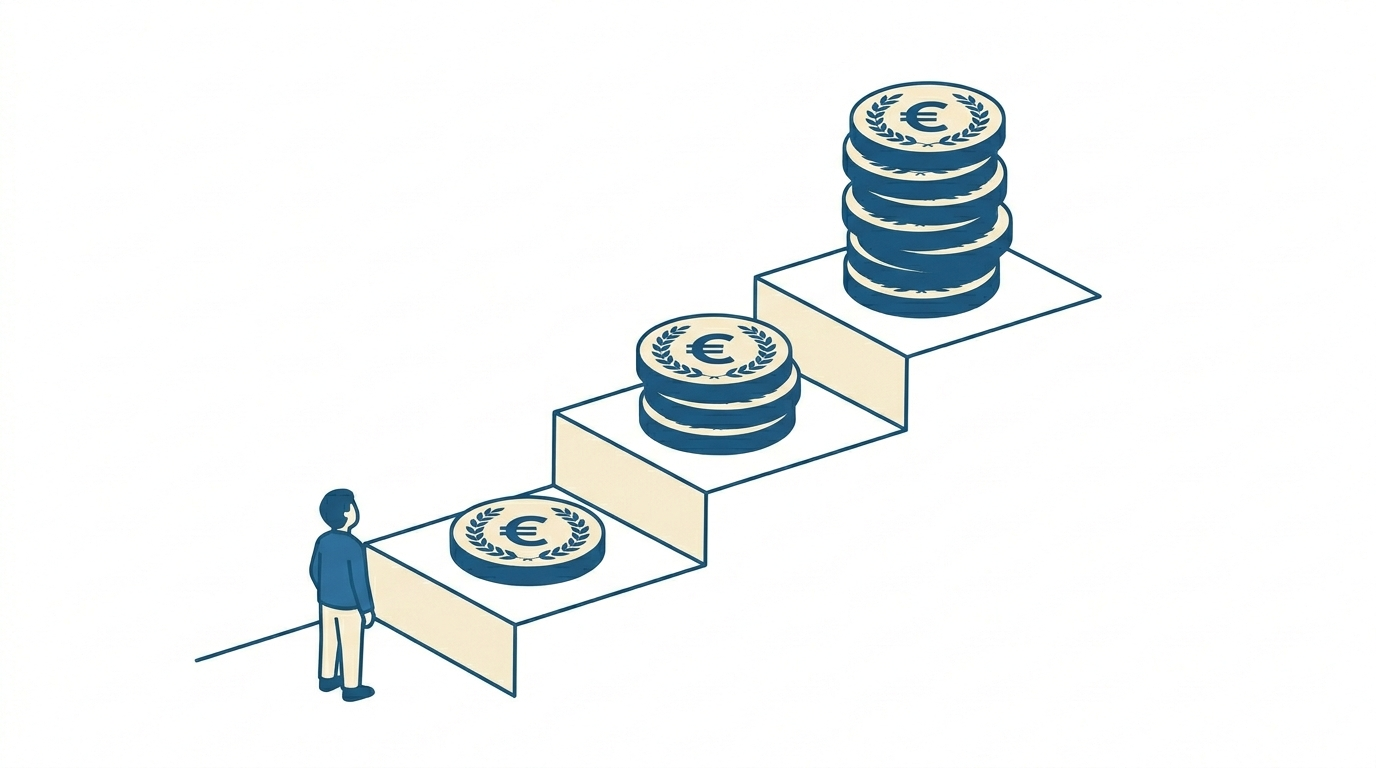
When you registered as an autónomo (self-employed worker), the tarifa plana (the reduced flat-rate Social Security contribution for new freelancers) was probably the best news in the whole process. Eighty euros a month for your Social Security contribution. Nothing. A huge relief in the first few months, when income is still on its way and every euro counts.

The problem is what comes afterwards. Because the tarifa plana ends. And when it ends, it doesn’t go up a little: it multiplies by four or five all at once. And it coincides precisely with the moment when many autónomos start to have real income, so the blow gets mixed up with the first sizeable quarterly IVA (VAT) and IRPF (personal income tax) payments.

Cuéntamo Blog

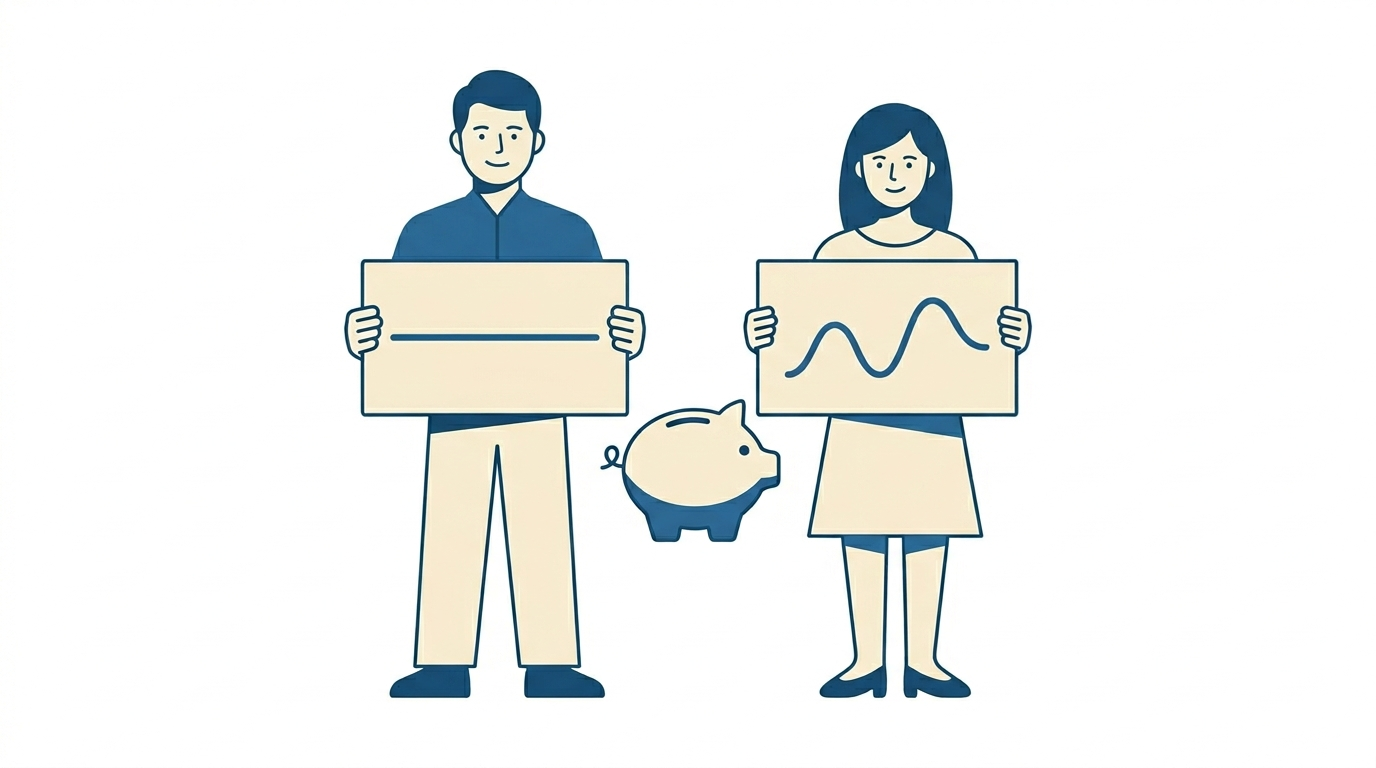
Couple finances: one freelancer, one salaried employee

May 24, 2026

She gets paid on the 28th of every month. Always the same amount, give or take. He invoices when he gets paid, which is sometimes the 5th, sometimes the 20th, and sometimes not even that month. She knows exactly how much she’ll earn in July. He has no idea how much will come in over the next three weeks.

If this sounds familiar, you’re not alone. It’s one of the most common household setups, and if you don’t design a financial system that absorbs that asymmetry, the asymmetry turns into arguments.

Cuéntamo Blog

I've received the contribution adjustment letter: what do I do now

May 22, 2026

If you’re an autónomo (self-employed worker) and you’ve received a letter from the Tesorería General de la Seguridad Social (the Spanish Social Security treasury) with an amount you weren’t expecting, take a breath. You’re not alone and it’s not a fine. It’s the contribution adjustment (regularización de cuotas), a new process that affects all self-employed workers since the system of contribution by real income came into force.

This guide explains what that letter means, how the difference they’re claiming from you (or that they owe you) is calculated, and above all how to stop it catching you off guard again next year.

Cuéntamo Blog

Depreciation for autónomos: what it is, the official tables and worked examples

May 20, 2026

You’ve just bought a 2,000-euro laptop for your work as an autónomo (self-employed worker). You have the invoice, the IVA (VAT) is clear, and you assume you’ll deduct the whole thing this year like any other expense. But no: that laptop is a capital asset, and for tax purposes it doesn’t work like that.

What you have to do is depreciate it. Spread its cost over several years, following the tables published by the Spanish Tax Agency (Agencia Tributaria). The concept isn’t complicated, but it has its nuances. Let’s break them down.

Cuéntamo Blog

Your first quarter as an autónomo: a fiscal survival guide

May 18, 2026

Nobody explains this to you when you register as an autónomo (self-employed worker). They tell you to fill in form 036, to sign up for the RETA (the self-employed Social Security scheme), to take advantage of the tarifa plana (the flat-rate Social Security contribution for new freelancers) if you can, and little else. Three months later your first quarterly return arrives and the question is always the same: “And now, what exactly do I do?”.

Cuéntamo Blog

VAT to offset from previous quarters: what it is and how it works

May 16, 2026

When an autónomo (self-employed worker) files the modelo 303 (the quarterly VAT return), the result of the settlement can be positive or negative. If it’s positive, you pay it to the Spanish Tax Agency (Agencia Tributaria). But if it’s negative –you’ve paid more VAT than you’ve collected– that balance doesn’t disappear: it’s carried forward to the next quarter to offset it. And if you reach the end of the year with an accumulated negative balance, you can ask for it to be refunded.

Cuéntamo Blog

Modelo 303 with no activity: how to file it when you haven't invoiced

May 14, 2026

There are quarters when not a single invoice comes in. A bad month that drags on, a lull between projects, the start of an activity where you still haven’t closed your first client. And when the day comes to file your modelo 303 (the quarterly VAT return), the question is unavoidable: if I haven’t invoiced anything, do I still have to file it?

The short answer: yes. As long as you’re registered in the census of economic activities (modelo 036 or 037), the obligation to file the modelo 303 exists every quarter, with or without income.

Cuéntamo Blog

The autónomo tax calendar 2026: every deadline and every model

May 12, 2026

If you’re an autónomo (self-employed worker), the tax calendar isn’t something you can leave for “whenever I remember”. Every quarter you have obligations with the Spanish Tax Agency (Agencia Tributaria), and the deadlines are firm. Missing a date, even by a single day, means surcharges and late-payment interest that are perfectly avoidable if you have the dates clear.

This article is a quick-reference cheat sheet. Save it to your favourites and check it every time the quarter close approaches.

Cuéntamo Blog

What happens if you file your quarterly taxes late

May 10, 2026

You’ve missed the deadline. The 20th came and went, and you didn’t file the modelo 303 (the quarterly VAT return) or the 130 (the quarterly IRPF instalment). Or maybe it was 30 January and the fourth quarter went unfiled. First of all: it’s not the end of the world. Second: every day you let pass without filing it, the situation gets a little worse. So let’s look at the consequences and what you can do right now to minimise the damage.