Cuéntamo Blog

Accounting tips for freelancers and households

Cuéntamo Blog

Quarterly IRPF for the self-employed: what modelo 130 is and when you don't have to file it

April 30, 2026

Modelo 130 (the quarterly IRPF prepayment) is the second big quarterly form for the self-employed, alongside the modelo 303 for IVA. Unlike IVA (the Spanish VAT), which you settle on behalf of the State, modelo 130 is a payment on account of your own annual tax: the IRPF (Spanish personal income tax).

The most common confusion is thinking it’s an additional tax. It isn’t. It’s an advance on the IRPF you would pay anyway in your annual tax return. The difference is that, instead of paying everything in June of the following year, you pay it in four instalments throughout the year.

Cuéntamo Blog

How to manage household finances as a couple without it becoming a source of conflict

April 29, 2026

Managing money as a couple is one of those topics many people avoid discussing openly, precisely because it feels awkward. And that awkwardness has a cost: decisions made without shared information, misunderstandings about who pays for what, and a vague feeling that “something doesn’t add up” that nobody quite puts into words.

Money doesn’t have to be a source of conflict in a relationship. It becomes one when there’s no agreed-upon system and each person’s expectations aren’t aligned. When there’s a system both of you understand and accept, it becomes just another topic, no more loaded than deciding who’s doing the grocery shopping this week.

Cuéntamo Blog

Emergency fund: how much do you need and how to calculate it based on your real expenses

April 25, 2026

The emergency fund is one of the most repeated concepts in any personal finance conversation. And for good reason: it’s the first real step toward financial stability, the cushion that turns an unexpected event into an inconvenience rather than a crisis.

The problem is that most explanations out there about emergency funds are too generic. “Save three to six months of expenses” is reasonable advice, but not very helpful if you don’t know exactly how much you spend or what to include in that calculation.

Cuéntamo Blog

Input VAT vs Output VAT: the difference, with a worked example (Spain)

April 22, 2026

If you’ve just registered as an autónomo (self-employed worker), or you’ve only been one for a short while, there are two terms that come up constantly and that are worth understanding well from the start: IVA soportado (input VAT) and IVA repercutido (output VAT).

They’re not difficult concepts. They’re difficult to understand when they’re explained in technical language before they have any context. With a concrete example, they fall into place on their own.

Cuéntamo Blog

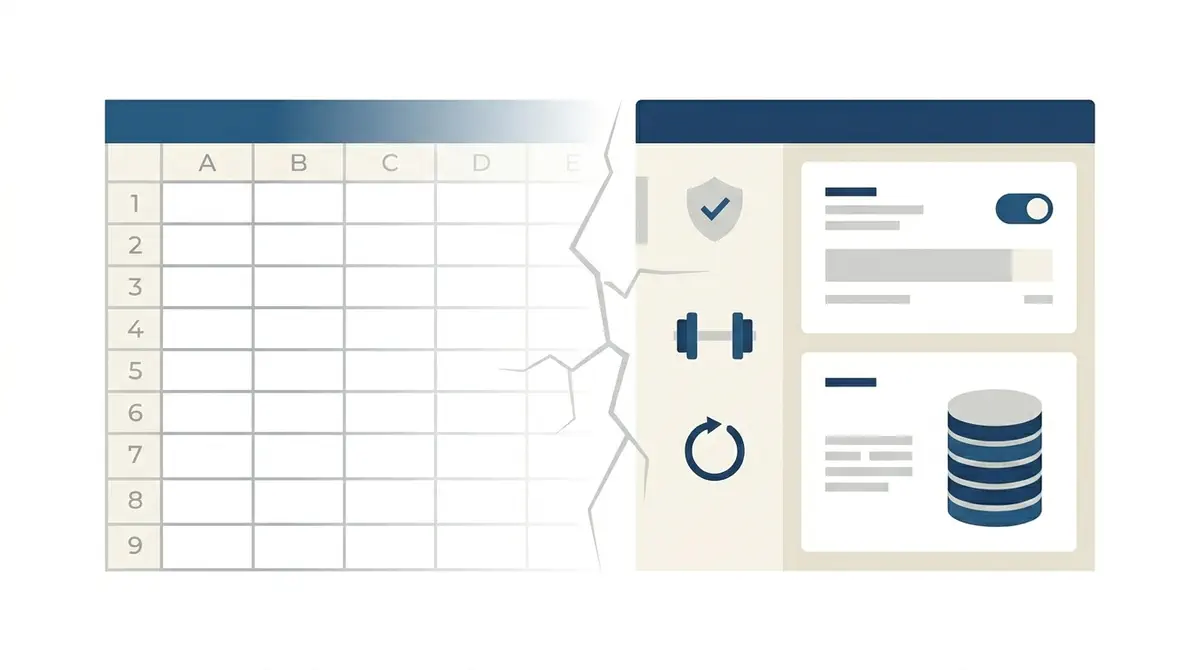
Why I Stopped Using Excel for My Finances (And What I Actually Needed)

April 15, 2026

For several years, I managed my finances in Excel. It wasn’t just any spreadsheet: I’d invested time building it, it had formulas that worked, neatly organized categories, color coding. At the time, it was exactly what I needed.

Until it wasn’t.

It wasn’t a dramatic moment. It was an accumulation of small frictions that, over time, turned the spreadsheet from a useful tool into something I avoided opening.

The first problem: recurring expenses

The specific point where I started noticing things weren’t working was with recurring expenses and future projections.

Cuéntamo Blog

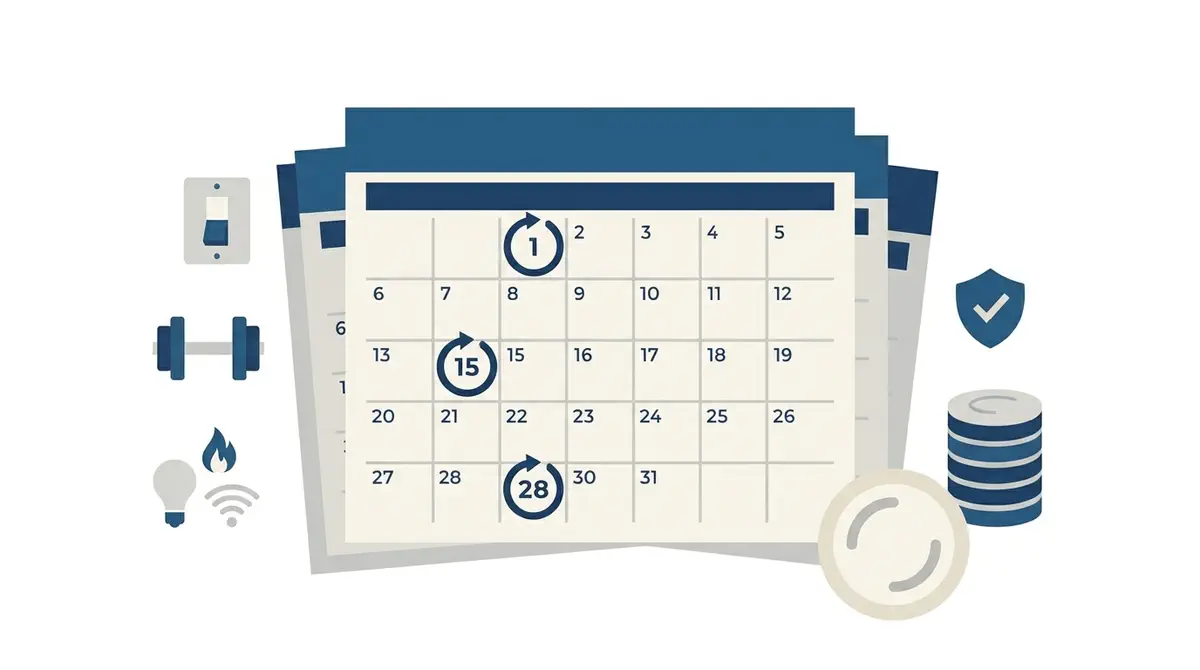
Recurring household expenses: how to find out what you really spend each month

April 11, 2026

If I asked you how much you spend each month, you’d probably give me a reasonably close figure. Rent or mortgage, groceries, utilities, maybe the car. You know those costs well because they’re visible and frequent.

But there’s another category of expenses that most people consistently underestimate: the less visible recurring ones. Home insurance that gets charged once a year. School fees that only apply in September. The car service. The antivirus subscription that renews automatically. The streaming service you no longer use but keep paying for.

Cuéntamo Blog

The Mandatory Record Books for Autónomos in Estimación Directa Simplificada (and How to Stay Sane With Them)

April 8, 2026

If you’re an autónomo (self-employed worker) under the estimación directa simplificada regime (simplified direct assessment), the Spanish Tax Agency (Agencia Tributaria) requires you to keep four record books of your economic activity. They’re not optional, and they’re not meant to be tucked away in a drawer. They’re documents that the Agencia Tributaria can request at any time, and they have to be filled in correctly.

That said: keeping them doesn’t have to be complicated. The usual problem isn’t technical complexity but not knowing what goes into each one, or letting months pile up without updating them. That’s what turns something manageable into chaos.

Cuéntamo Blog

Personal finances and freelance work in the same bank account: the mistake that costs you money and time

April 4, 2026

When someone starts freelancing for the first time, there’s a decision almost nobody makes consciously: whether to open a separate bank account for business, or just use the one they already have.

Most people go with the second option. It’s the easiest thing to do. Just to get started, to try things out, to keep it simple. And for the first few months, it works well enough.

The problem comes later. When it’s time to file your quarterly taxes, when your accountant asks for invoices, when you try to figure out how much money you’re actually making as a freelancer. That’s when having everything mixed together turns into a financial archaeology project nobody enjoys.

Cuéntamo Blog

How Much Money Will I Have in Three Months? How to Build a Cash Flow Forecast as a Freelancer

April 1, 2026

There’s one question every freelancer should be able to answer in under thirty seconds: how much money will I have in my account three months from now?

If it takes you longer, or if the answer is “I have no idea,” you have a visibility problem. Not necessarily a money problem, but an information problem. And that distinction matters a lot.

A cash flow forecast isn’t accounting. It’s not for the Spanish Tax Agency (Agencia Tributaria). It’s for you: to know whether you can afford that expense, whether you’ll sail comfortably through the end of the quarter, or whether there’s a rough month on the horizon you’d better prepare for.