Budgeting

Budgeting

How Much It Costs to Move Out in Spain: What You Pay Day One and What You Pay Every Month

October 13, 2026

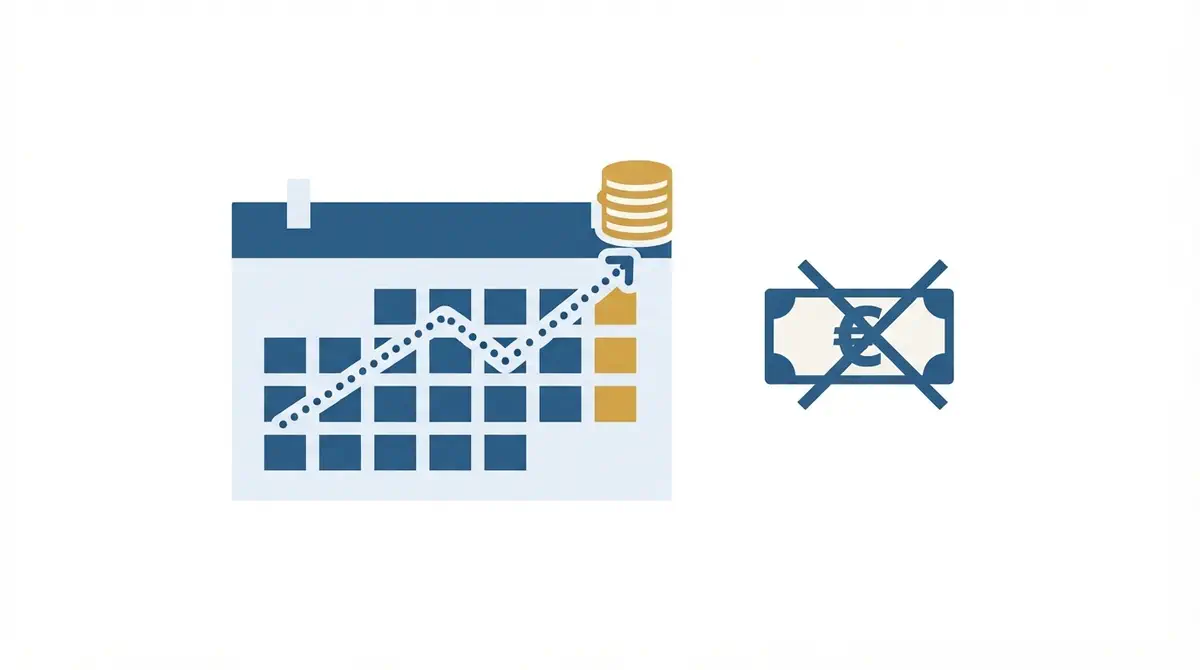
You search for how much it costs to move out and find ranges that don’t match each other: one blog says 900 euros a month is fine, another talks about 1,800, a forum thread tells its own particular story as if it were the rule. None of the figures quite fits, because they’re actually mixing up two different questions.

One is how much you need saved before you sign: the deposit, the first month, connecting the utilities, the bare minimum of furniture if the flat is empty. The other is how much it’ll cost you every month from then on: rent, utilities, food, transport, insurance. Two questions, two answers, and hardly anyone separates them. Here are both, one at a time, with the numbers of Irene, who is moving into a flat on her own for €850 a month. (Irene is made up; the numbers are round so you can follow the maths. Yours depend on your city and your flat.)

personal finance renting housing budgeting moving out
Budgeting

The three-account system that stops you thinking about money

September 23, 2026

You check your account balance before buying something that isn’t essential. The number looks big enough, so you buy it. Ten days later the building maintenance fee hits and throws off your whole month, because that “big enough” number was already spoken for without you knowing it. It’s not that you’re spending badly: it’s that a single number doesn’t tell you which part is actually yours to spend.

The tip: let your money live split up, not together

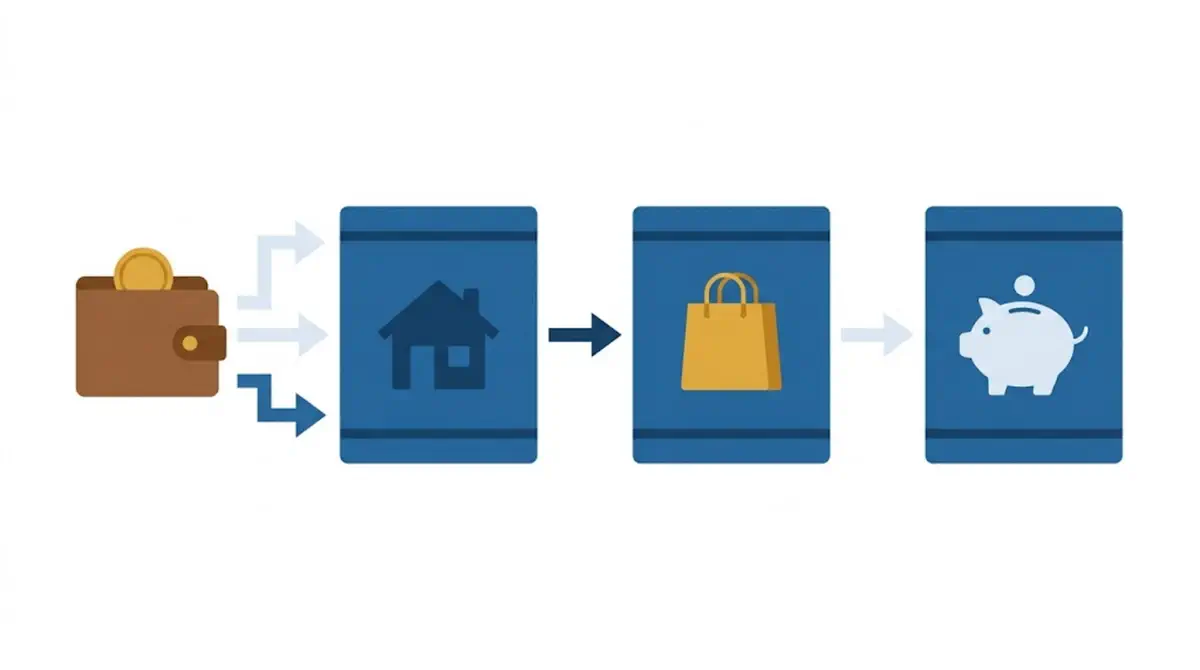
The idea is simple and doesn’t depend on doing any mental accounting: split your money into three physical accounts, each with one job.

personal finance budgeting savings accounts
Budgeting

Project your end-of-month balance (and act before it happens)

August 20, 2026

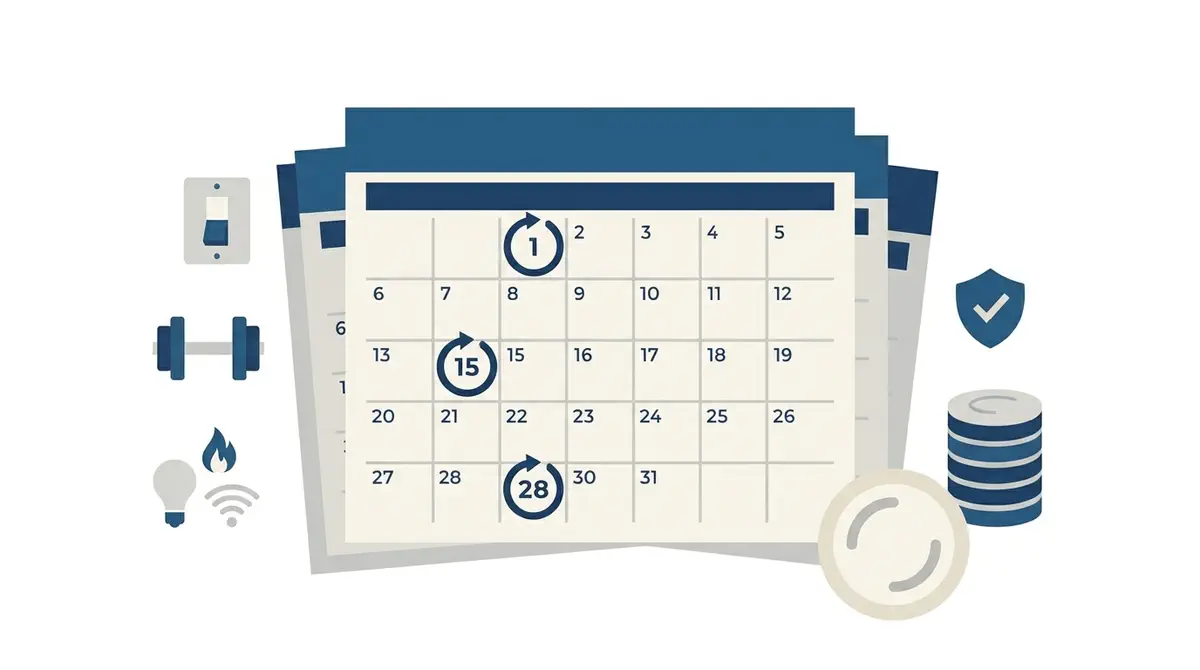
You open your banking app, see 1,400 in your account, and relax. The problem is that number only tells you how much you have today, not how much you’ll have on the 28th, once rent, the electricity bill, and the gym membership have all gone out. Looking only at today’s balance is like driving while staring at the rearview mirror: it tells you where you’ve been, not what’s ahead.

The tip: project, don’t just look

The idea is simple and doesn’t need any complicated tool: instead of asking “how much do I have?”, ask “how much will I have on the last day of the month?” To answer that, you only need two lists you already know by heart:

personal finance balance forecast budgeting habits
Budgeting

Why you quit every budgeting app (and it's not your fault)

July 23, 2026

You know the ritual. One day (often in January, or after a particularly bad month) you install a budgeting app. You give it a whole evening: you create categories, set limits, log the first expenses with enthusiasm. “This month, for real.”

Three weeks later, the app has twelve uncategorised expenses, the “Leisure” budget has been blown since the 9th, and you have stopped opening it. Until next January.

If this has happened to you more than once, here is some good news: the problem is not you.

personal finance budgeting balance forecast savings apps
Budgeting

Couple finances: one freelancer, one salaried employee

May 24, 2026

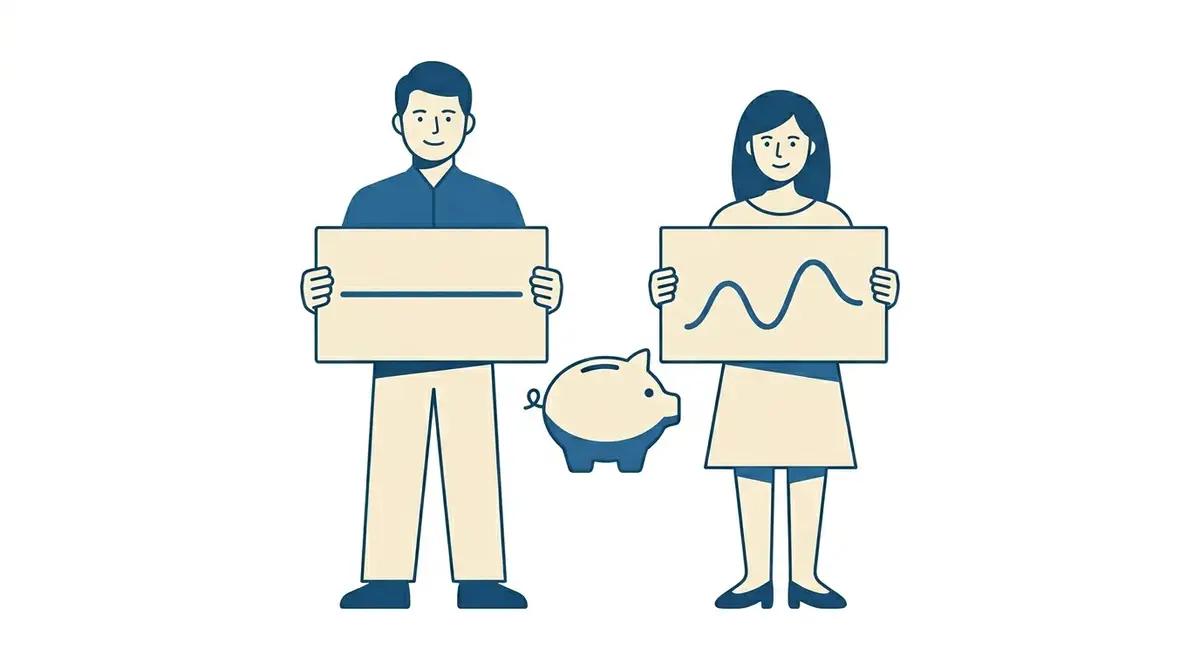
She gets paid on the 28th of every month. Always the same amount, give or take. He invoices when he gets paid, which is sometimes the 5th, sometimes the 20th, and sometimes not even that month. She knows exactly how much she’ll earn in July. He has no idea how much will come in over the next three weeks.

If this sounds familiar, you’re not alone. It’s one of the most common household setups, and if you don’t design a financial system that absorbs that asymmetry, the asymmetry turns into arguments.

personal finance couple freelancers budgeting irregular income
Budgeting

Recurring household expenses: how to find out what you really spend each month

April 11, 2026

If I asked you how much you spend each month, you’d probably give me a reasonably close figure. Rent or mortgage, groceries, utilities, maybe the car. You know those costs well because they’re visible and frequent.

But there’s another category of expenses that most people consistently underestimate: the less visible recurring ones. Home insurance that gets charged once a year. School fees that only apply in September. The car service. The antivirus subscription that renews automatically. The streaming service you no longer use but keep paying for.

personal finance recurring expenses budgeting household