IRPF

IRPF

I Bill 40,000 Euros a Year as a Freelancer: This Is What I Actually Keep

May 28, 2026

Note: the “I” in the title is an example, not a real person. This article works through a hypothetical case —a typical freelancer billing 40,000 euros (net of VAT) a year— so you can follow the numbers step by step using the official contribution and tax figures in force.

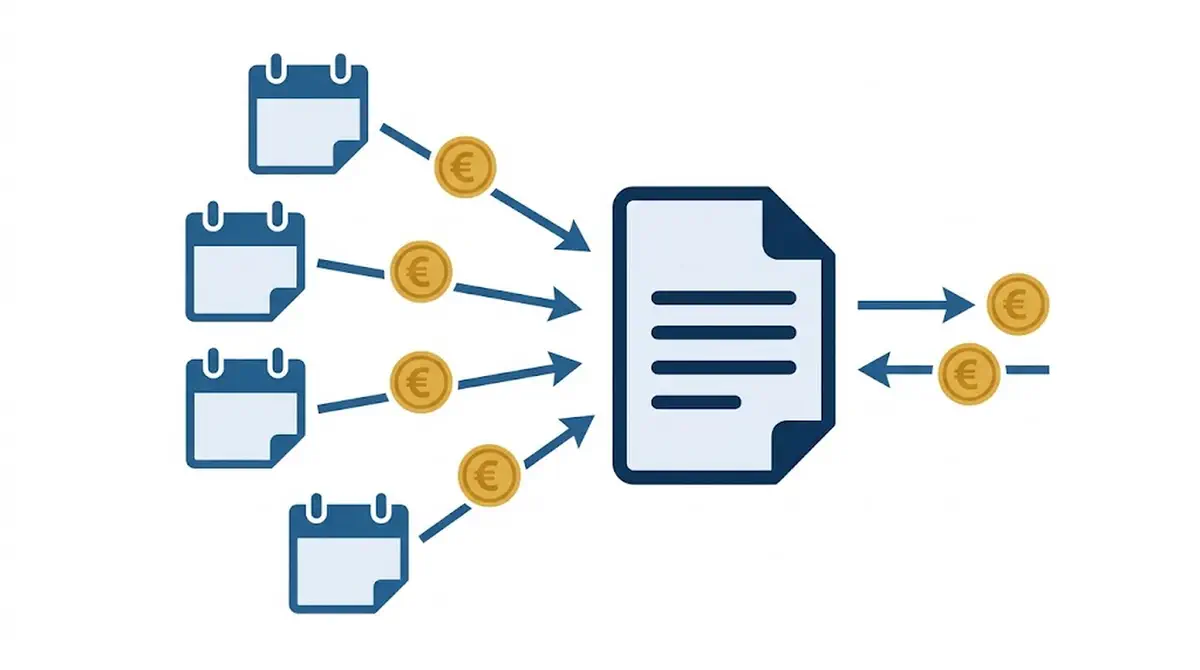
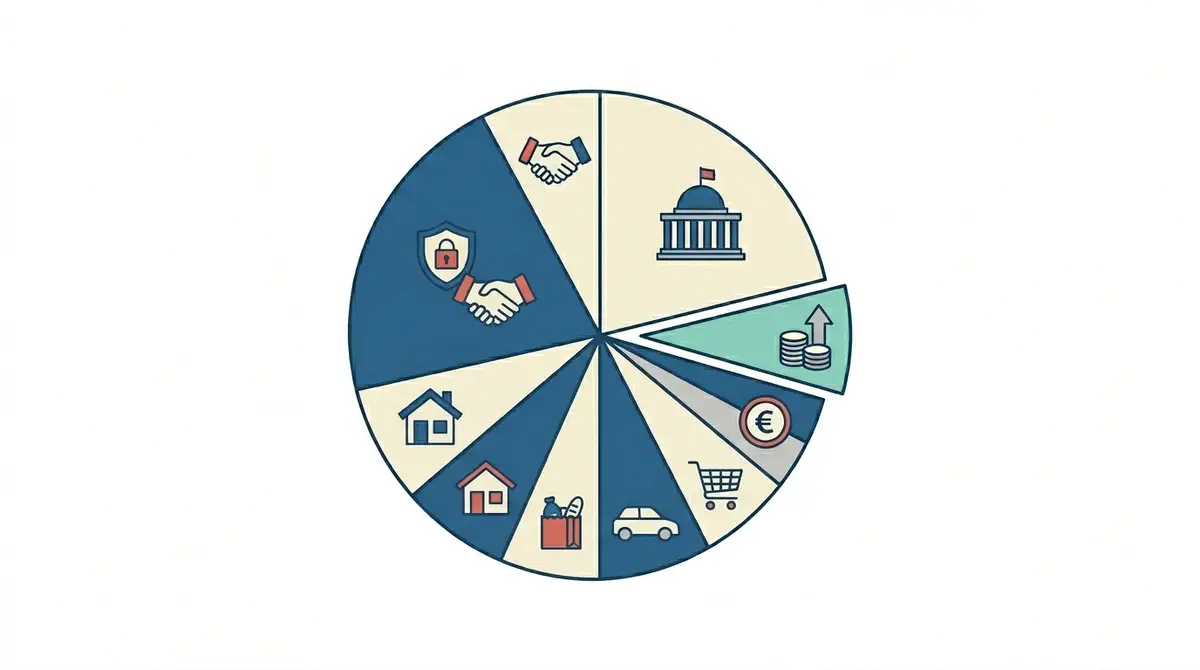
When someone asks how much you earn as an autónomo (a self-employed worker / freelancer) and you say “I bill forty thousand a year”, the next question should be: “yeah, but how much do you actually keep”. Because between billing forty thousand and having forty thousand in your pocket there’s a chasm that only those who live it understand.

freelancers taxes IRPF IVA freelancer fee net income
IRPF

Depreciation for autónomos: what it is, the official tables and worked examples

May 20, 2026

You’ve just bought a 2,000-euro laptop for your work as an autónomo (self-employed worker). You have the invoice, the IVA (VAT) is clear, and you assume you’ll deduct the whole thing this year like any other expense. But no: that laptop is a capital asset, and for tax purposes it doesn’t work like that.

What you have to do is depreciate it. Spread its cost over several years, following the tables published by the Spanish Tax Agency (Agencia Tributaria). The concept isn’t complicated, but it has its nuances. Let’s break them down.

self-employed depreciation capital assets deductible expenses IRPF VAT
IRPF

How your investments are taxed in Spain: a practical IRPF guide

May 6, 2026

One of the questions that comes up most when someone starts investing is: and how do I declare this? The short answer is that the Spanish Tax Agency (Agencia Tributaria) wants its share of what you earn by investing. The long answer is that the system has its nuances, and knowing them can save you quite a bit of money.

This article explains in a practical way how the main investment products are taxed in Spain, without beating around the bush and without claiming to replace a tax adviser.

investing IRPF taxation investment funds capital gains savings
IRPF

Deductible expenses for the self-employed under simplified direct assessment: the complete list

April 30, 2026

One of the advantages of being self-employed (autónomo) compared with an employee is that you can deduct the expenses necessary to carry out your activity before being taxed. That reduces the taxable base and, therefore, what you pay in IRPF (Spanish personal income tax).

But “expenses necessary for the activity” has a specific definition in tax law, and not everything that might seem deductible actually is. This guide gathers the most common deductible expenses under simplified direct assessment (estimación directa simplificada), with the nuances worth knowing.

self-employed deductible expenses IRPF direct assessment taxation
IRPF

Quarterly IRPF for the self-employed: what modelo 130 is and when you don't have to file it

April 30, 2026

Modelo 130 (the quarterly IRPF prepayment) is the second big quarterly form for the self-employed, alongside the modelo 303 for IVA. Unlike IVA (the Spanish VAT), which you settle on behalf of the State, modelo 130 is a payment on account of your own annual tax: the IRPF (Spanish personal income tax).

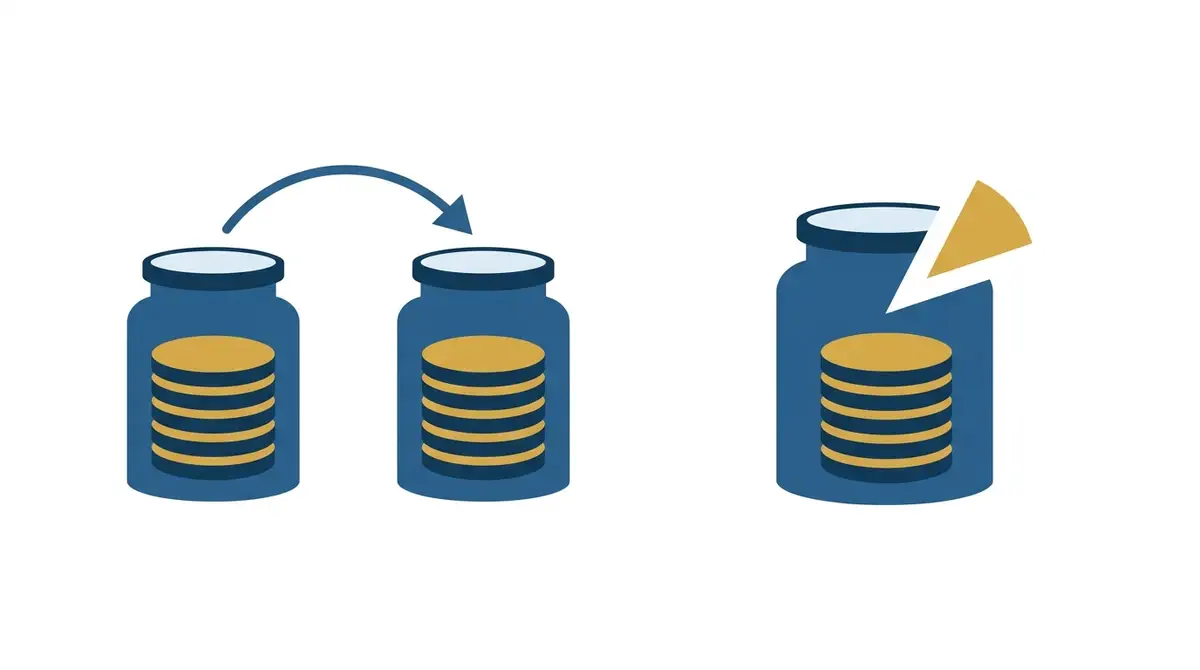
The most common confusion is thinking it’s an additional tax. It isn’t. It’s an advance on the IRPF you would pay anyway in your annual tax return. The difference is that, instead of paying everything in June of the following year, you pay it in four instalments throughout the year.

self-employed IRPF modelo 130 taxes quarterly