Personal Finance

Personal Finance

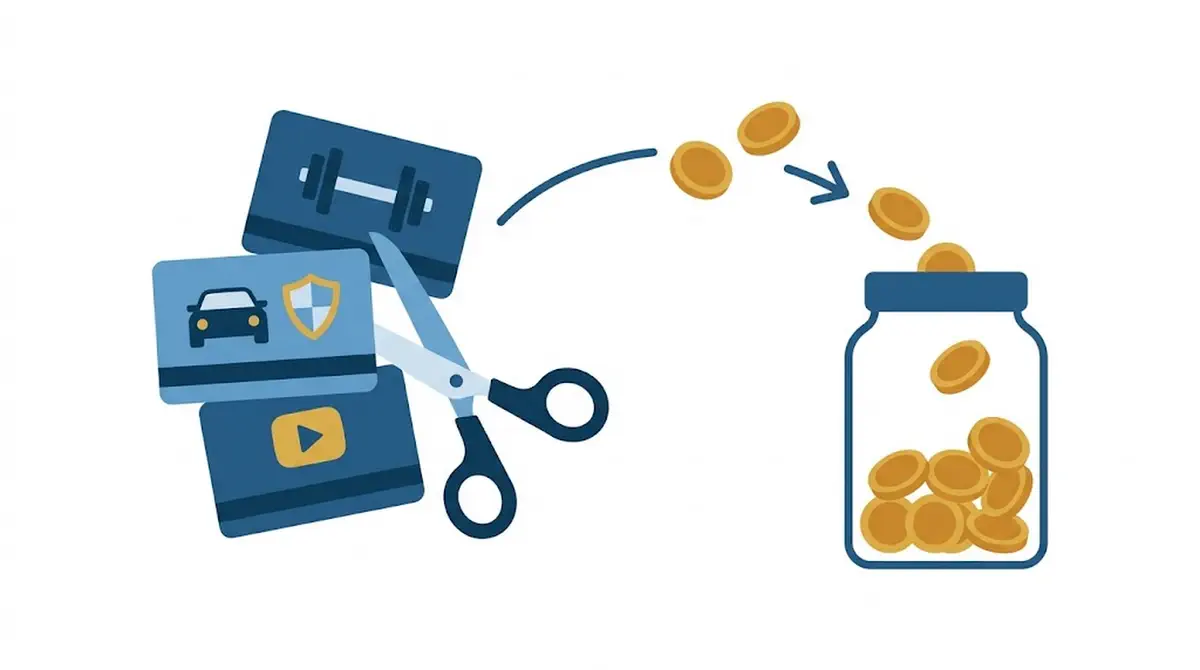
Automate it so it doesn't depend on willpower

September 1, 2026

You decide to save more, stop impulse buying, or never pay a bill late again. It works for two weeks. Then a rough month shows up, you let your guard down for one day, and the resolution quietly fades without you ever deciding to give up. It’s not that you lack willpower: you’re using it on the wrong job.

The tip: let the system decide, not you every time

Willpower is a resource that runs out. Every decision you have to make again — do I set money aside this month? do I pay this bill now or later? do I buy this or not? — is a chance for the easy path to win. An automatic system never gives you that chance: the decision is already made once, and it runs on its own whether you remember or not, whether you’re having a good day or a terrible one.

personal finance automation savings habits
Personal Finance

Pay yourself first: automate your savings on payday

August 27, 2026

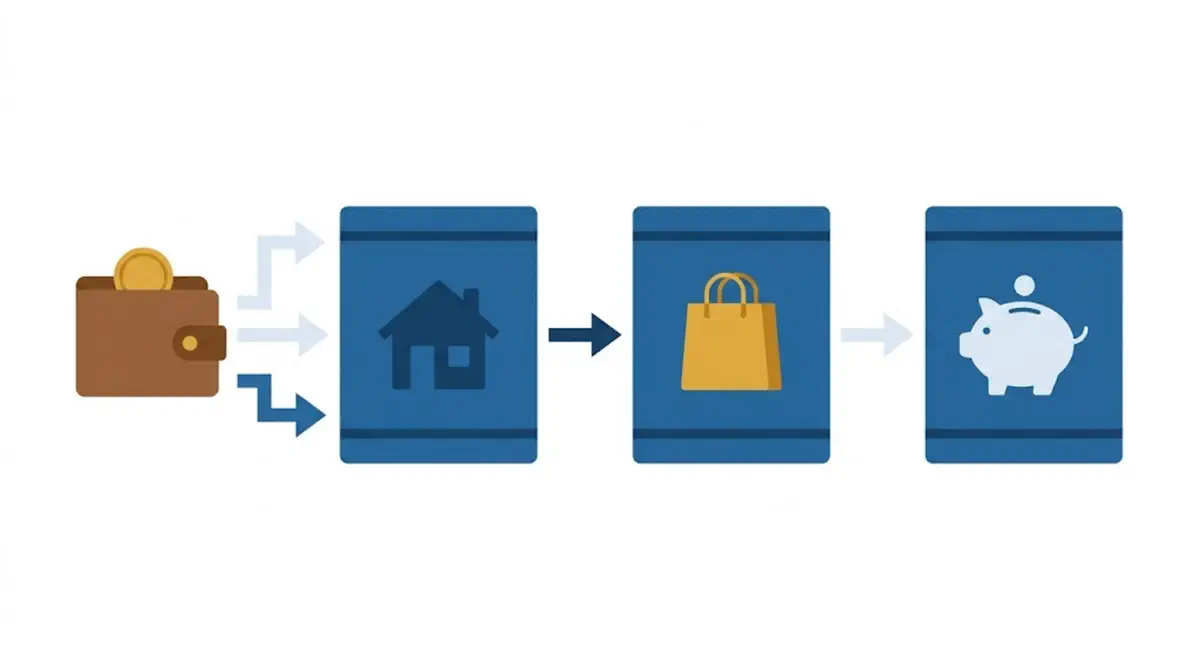
You get paid, cover the usual bills, and at the end of the month you look at whatever’s left to “save.” Most months there isn’t much, and some months there’s nothing. The problem isn’t that you earn too little or spend badly: it’s the order. If savings go last in line, they lose to whatever expense shows up first.

The tip: flip the order

The idea fits in one sentence: treat savings like just another fixed bill, not like whatever’s left over. Instead of spending and seeing what remains, set aside a fixed amount first — an automatic transfer, the same day or the day after you get paid — and live on what’s left afterward. Money that never reaches your everyday checking account is money you won’t spend without noticing.

personal finance savings automation habits
Personal Finance

Project your end-of-month balance (and act before it happens)

August 20, 2026

You open your banking app, see 1,400 in your account, and relax. The problem is that number only tells you how much you have today, not how much you’ll have on the 28th, once rent, the electricity bill, and the gym membership have all gone out. Looking only at today’s balance is like driving while staring at the rearview mirror: it tells you where you’ve been, not what’s ahead.

The tip: project, don’t just look

The idea is simple and doesn’t need any complicated tool: instead of asking “how much do I have?”, ask “how much will I have on the last day of the month?” To answer that, you only need two lists you already know by heart:

personal finance balance forecast budgeting habits
Personal Finance

Latte-factor spending: the small leaks that drain your account

August 17, 2026

You go over the month and there’s no single big expense that explains it. No emergency, no unusual purchase. And yet the numbers still don’t add up the way you expected. Chances are the problem isn’t a big expense at all, but a leak of small ones: the coffee on the way to work, the app that renews itself, Thursday’s takeout order because you didn’t feel like cooking. Each one looks harmless on its own. Together, they’re the difference between saving something and saving nothing.

personal finance small spending savings habits
Personal Finance

Renting out a flat in Spain: what you really pay, and the expenses almost nobody claims

August 13, 2026

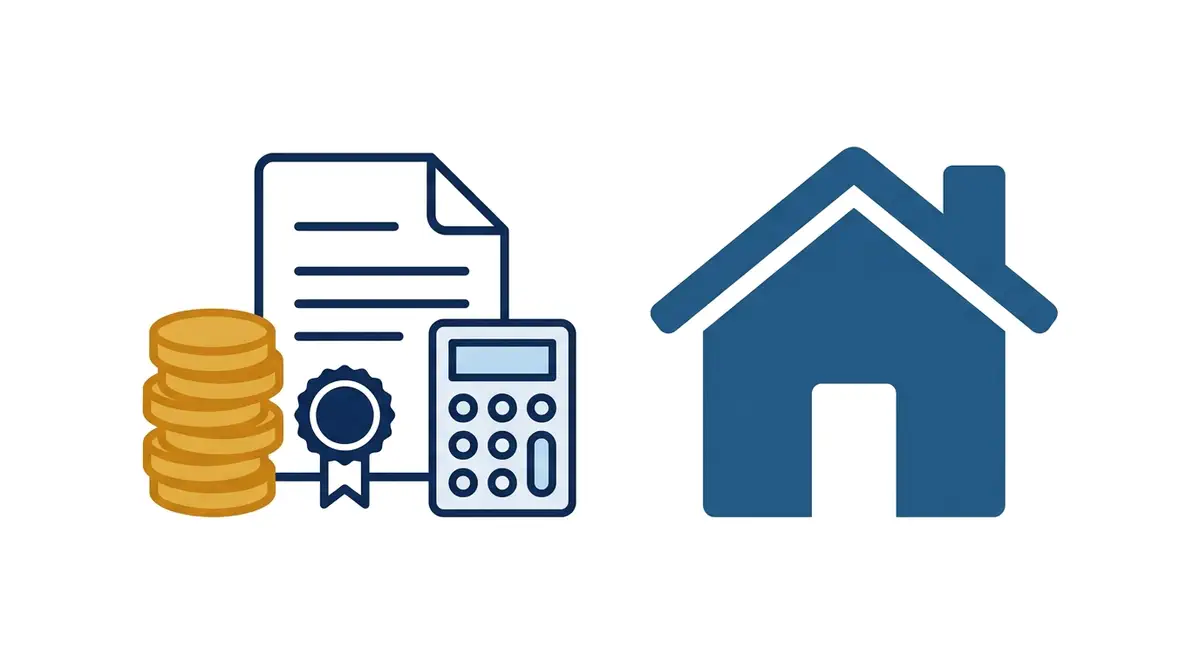
Renting out a flat looks like the easy part: you sign the contract, you collect every month, and that’s it. The complicated bit shows up in the tax return, and almost always for two opposite reasons: many people assume that money is taxed lightly (it’s taxed at their highest rate) while at the same time leaving out expenses the law grants them, starting with the biggest one of all, which doesn’t cost them a euro a year.

rental income income tax personal finance property deductible expenses depreciation
Personal Finance

Pay Down Your Mortgage or Invest €10,000? The Real Math, Step by Step

August 10, 2026

You get €10,000 out of nowhere. A big bonus, a small inheritance, a severance payment, savings that have finally added up. And the usual dilemma shows up: do you use it to pay down the mortgage, or do you invest it?

The answer you’ll find almost everywhere is “it depends.” True, but not very useful. Let’s do the real math with numbers, so you know exactly what you’re comparing and which part of the decision isn’t math at all, but how well you sleep at night.

mortgage investing personal finance savings debt
Personal Finance

How to get out of debt: snowball or avalanche method (with an example)

August 6, 2026

Having several debts at once —the credit card, the car loan, the phone instalments, the overdraft— is stressful for one specific reason: you don’t know where to start. You pay a bit of everything, the interest keeps running, and you feel like you’re running without moving forward.

The good news is that getting out of debt isn’t a matter of luck or of suddenly earning more. It’s a matter of order. There are two proven methods for deciding which debt to attack first, and choosing well can save you money, months of stress, or both. Here are the two, with a numeric example so you can see the real difference.

debt saving personal finance loans credit cards
Personal Finance

The new EU customs fee on online orders: 3 euros per item type from July 2026

August 1, 2026

From 1 July 2026, the price of orders from platforms like Shein, Temu or AliExpress has changed — not because the platforms themselves raised prices, but because of a new European rule. EU Regulation 2026/382, of 11 February 2026 (published in the Official Journal of the EU on 18 February), eliminates a customs exemption that had been in place for decades.

If you buy clothes, electronics or anything else from sellers who ship from outside Europe, you now pay an additional 3 euros per item type as an import duty. This is on top of VAT, which has applied to these purchases since 2021.

online shopping customs fee e-commerce personal finance
Personal Finance

Why you quit every budgeting app (and it's not your fault)

July 23, 2026

You know the ritual. One day (often in January, or after a particularly bad month) you install a budgeting app. You give it a whole evening: you create categories, set limits, log the first expenses with enthusiasm. “This month, for real.”

Three weeks later, the app has twelve uncategorised expenses, the “Leisure” budget has been blown since the 9th, and you have stopped opening it. Until next January.

If this has happened to you more than once, here is some good news: the problem is not you.

personal finance budgeting balance forecast savings apps
Personal Finance

Compound interest explained with real examples: the snowball of savings

July 15, 2026

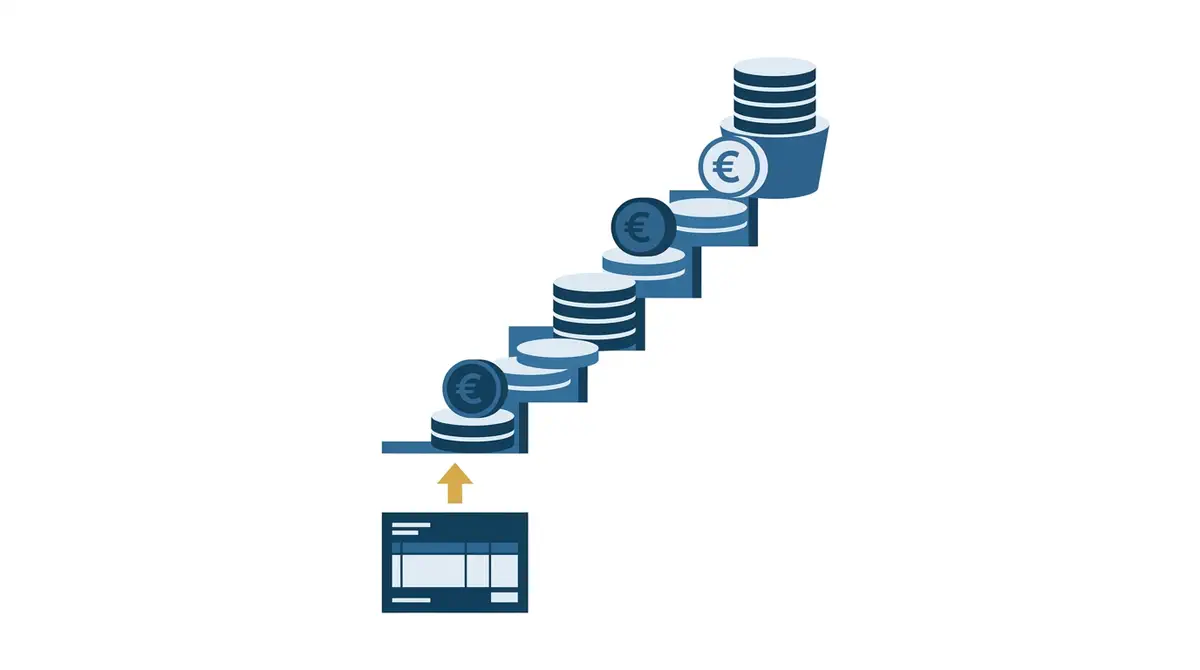
Imagine two people. The first starts saving and investing early, with modest amounts, doing so consistently over many years. The second waits longer, saves twice as much each month, but only for half the period. In the end, the first person accumulates more, even though they contributed far less money in total.

That result seems counter-intuitive. How can someone who puts in less end up with more? The answer is compound interest: the mechanism that makes time, not the amount, the most valuable financial asset of all.

personal finance savings compound interest investment time