Savings

Savings

Why you quit every budgeting app (and it's not your fault)

July 23, 2026

You know the ritual. One day (often in January, or after a particularly bad month) you install a budgeting app. You give it a whole evening: you create categories, set limits, log the first expenses with enthusiasm. “This month, for real.”

Three weeks later, the app has twelve uncategorised expenses, the “Leisure” budget has been blown since the 9th, and you have stopped opening it. Until next January.

If this has happened to you more than once, here is some good news: the problem is not you.

personal finance budgeting balance forecast savings apps
Savings

Compound interest explained with real examples: the snowball of savings

July 15, 2026

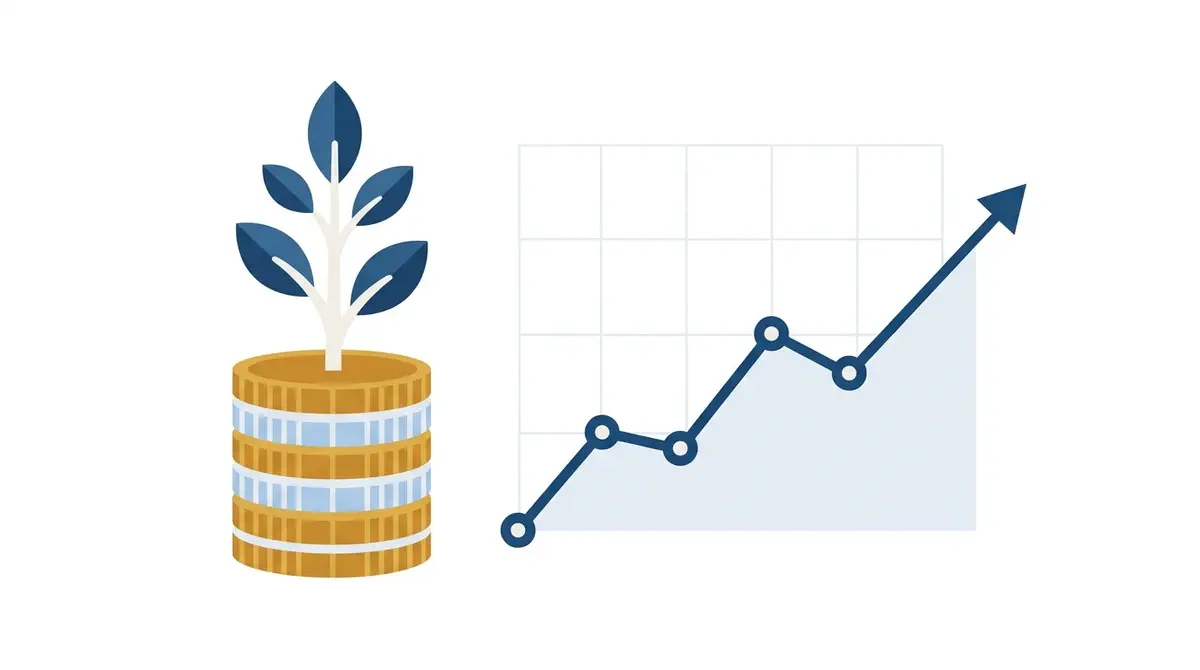
Imagine two people. The first starts saving and investing early, with modest amounts, doing so consistently over many years. The second waits longer, saves twice as much each month, but only for half the period. In the end, the first person accumulates more, even though they contributed far less money in total.

That result seems counter-intuitive. How can someone who puts in less end up with more? The answer is compound interest: the mechanism that makes time, not the amount, the most valuable financial asset of all.

personal finance savings compound interest investment time
Savings

How your investments are taxed in Spain: a practical IRPF guide

May 6, 2026

One of the questions that comes up most when someone starts investing is: and how do I declare this? The short answer is that the Spanish Tax Agency (Agencia Tributaria) wants its share of what you earn by investing. The long answer is that the system has its nuances, and knowing them can save you quite a bit of money.

This article explains in a practical way how the main investment products are taxed in Spain, without beating around the bush and without claiming to replace a tax adviser.

investing IRPF taxation investment funds capital gains savings
Savings

How to Start Investing from Scratch (Even If You Know Nothing About the Stock Market)

May 3, 2026

Investing feels a little daunting at first. Some people put it off for years because it seems too complicated, too risky, or too much of a “rich person’s game”. Meanwhile, their money has been quietly losing purchasing power sitting in a current account.

This article is for that person. No unnecessary jargon, no promises of magical returns, and no hidden sales pitch.


Why invest if I already have savings?

Because money sitting idle in a current account loses value over time. If inflation runs at 3% a year and your savings earn nothing, in ten years your purchasing power will have dropped significantly, even though the number in your account stays the same.

investing index funds deposits bonds savings
Savings

How to Tell if a Savings Account Really Delivers What It Promises: Understanding APY vs. Nominal Interest

April 30, 2026

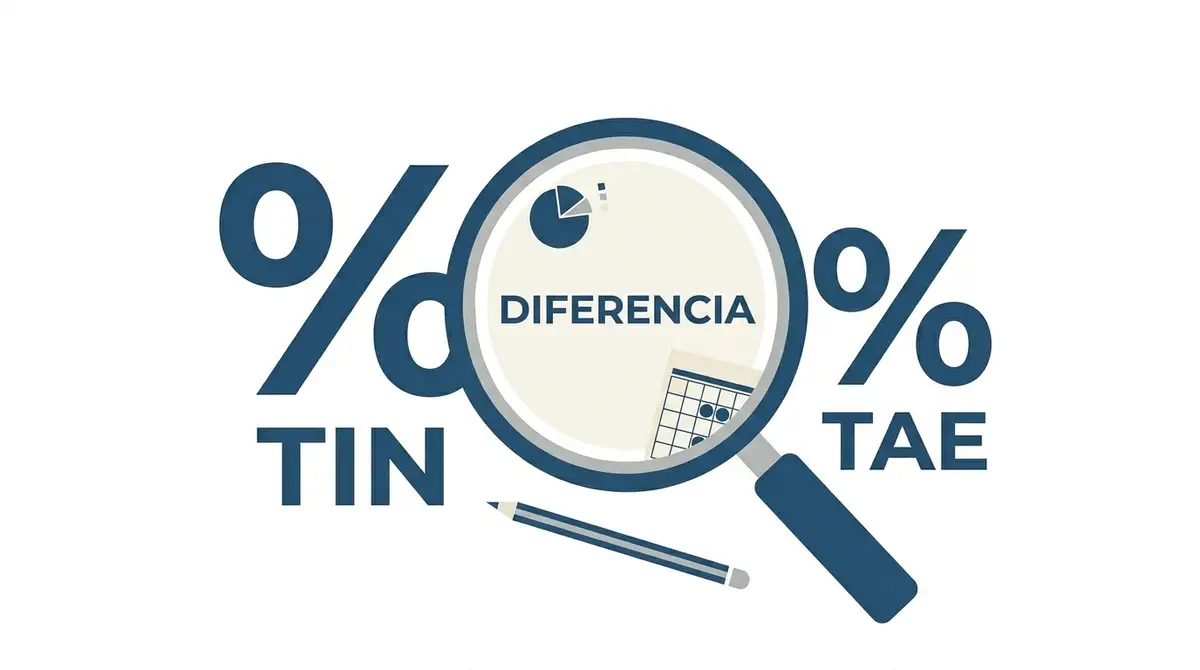
When a bank advertises a savings account at “4% interest,” that 4% is almost never what you actually earn on your money over a year. Or rather: it depends on what kind of interest rate that 4% is.

The confusion between the nominal interest rate and the annual percentage yield (APY) is one of the most common pitfalls in personal finance, and the one banks exploit the most in their advertising. Understanding the difference doesn’t require an economics degree; it just takes someone explaining it clearly once.

personal finance savings APY savings accounts interest rates
Savings

Emergency fund: how much do you need and how to calculate it based on your real expenses

April 25, 2026

The emergency fund is one of the most repeated concepts in any personal finance conversation. And for good reason: it’s the first real step toward financial stability, the cushion that turns an unexpected event into an inconvenience rather than a crisis.

The problem is that most explanations out there about emergency funds are too generic. “Save three to six months of expenses” is reasonable advice, but not very helpful if you don’t know exactly how much you spend or what to include in that calculation.

personal finance savings emergency fund planning