Taxes

Taxes

Does What You Pay Each Quarter in Modelo 130 Come Back in Your Tax Return? How the Two Cross, With Numbers

October 14, 2026

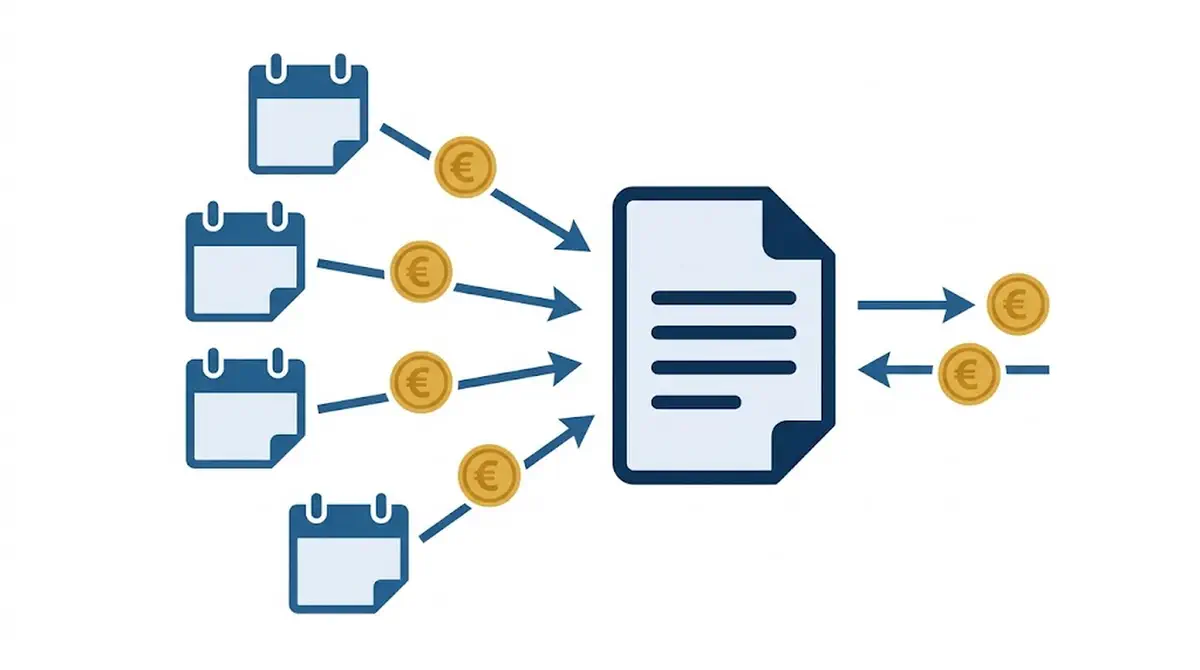
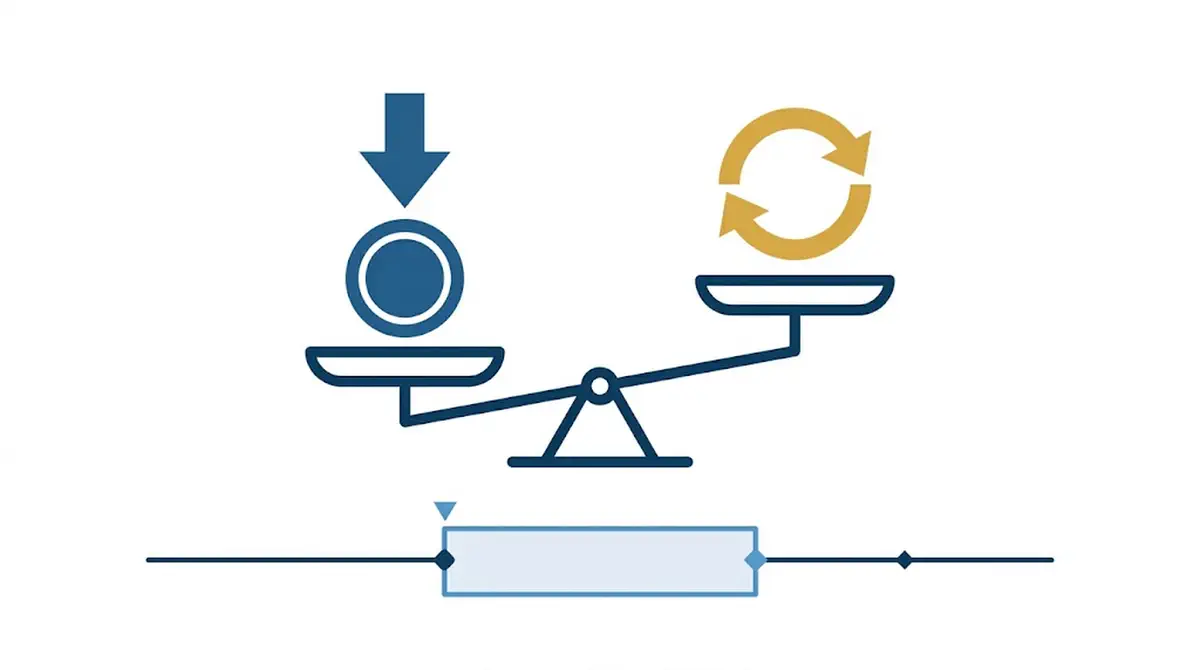
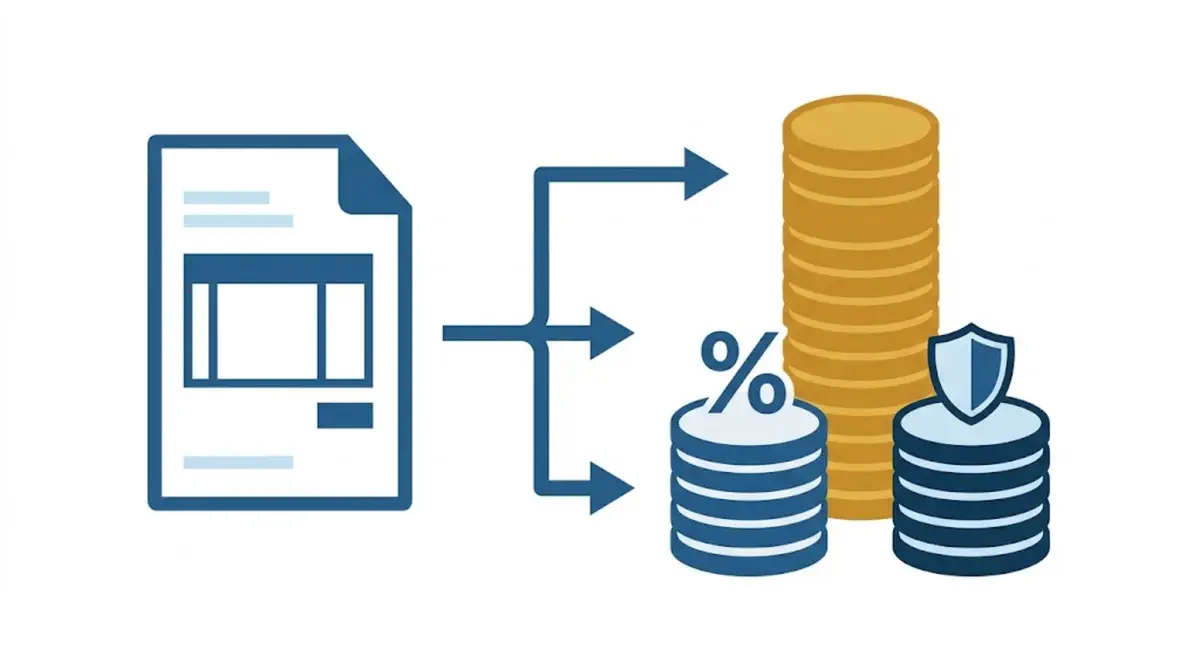
No. What you pay each quarter through modelo 130 (Spain’s quarterly income-tax prepayment for the self-employed) isn’t refunded on its own when your annual tax return (the Renta) comes around. It’s subtracted from what you owe in that return, together with the withholding tax (retenciones) your clients applied on your invoices.1 You only get back the part you overpaid. If you underpaid, you pay the difference then.

Put like that it sounds simple, and it is, but it doesn’t explain why the same mechanism gives some autónomos (self-employed workers) a refund and others a bill. The answer is in the numbers, so let’s go through a complete example: from what you pay quarter by quarter to what your return shows.
self-employed IRPF modelo 130 tax return taxes
Taxes

Spain's Two-Month Rule: You Sold at a Loss and Bought Back. Can You Deduct It?

October 2, 2026

You sell some shares at a loss to offset gains elsewhere, and a week later (because you still believe in the company, or because of an automatic order) you buy again. It is one of the most common situations in any portfolio, and the question that comes with it is rarely «what does the rule say?» but «does it apply to what I hold?»

The short answer: it depends on what you sold, where it is listed and what you bought back. And one starting idea worth keeping: the rule does not take the loss away from you. It stops you from deducting it now; you get it back later. That is why this article is organised by what you hold, not by the order of the legal text.

IRPF investing capital losses two-month rule homogeneous securities taxes stock market
Taxes

How much a self-employed worker in Spain needs to bill to take home €2,000 a month (and why every website gives you a different number)

September 30, 2026

Note: the example in this article is a hypothetical profile (a service professional working from home, under simplified direct estimation), not a real person. It’s here so you can follow the sums step by step with the official contribution and tax figures in force.

Search “how much do I need to bill to take home 2,000 euros” and you’ll find half a dozen calculators giving you half a dozen different numbers: some talk about just under 3,000 euros a month, others around 3,500, others over 4,000 once VAT is thrown into the mix. For the same target. None of them is lying, but almost none of them says what it’s actually measuring.

self-employed taxes social security contributions personal income tax VAT net income
Taxes

The reduced property transfer tax rate in Spain: what they actually ask for in return

September 29, 2026

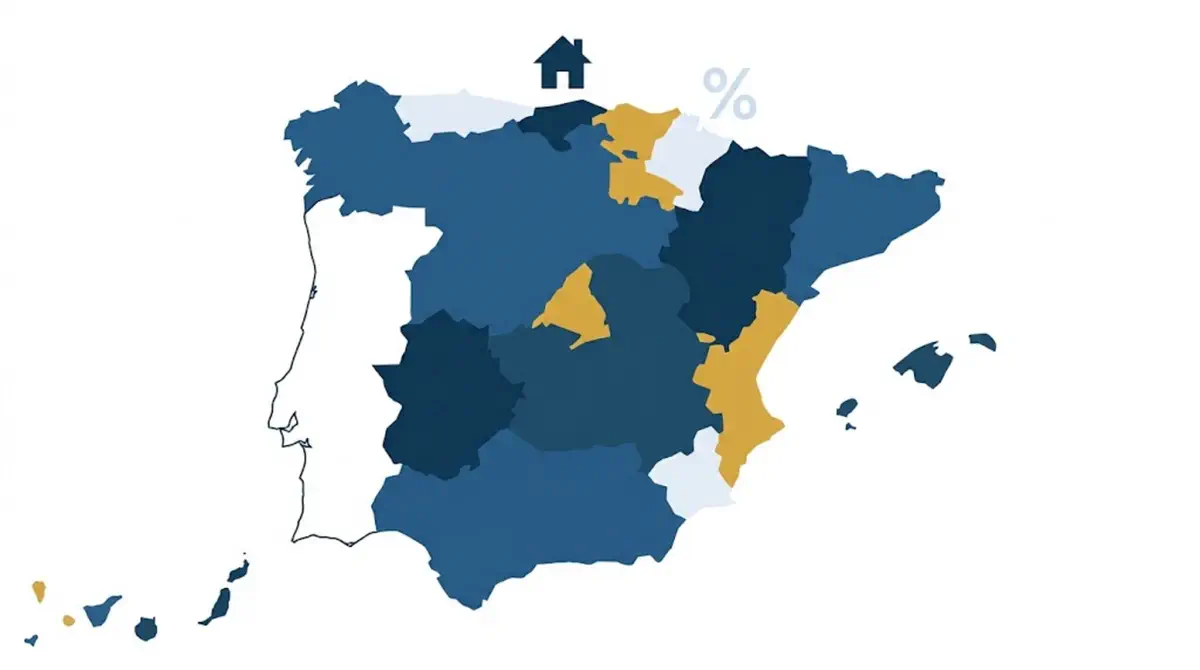
You sign with the reduced rate because you’re under a certain age, or because it’s your first home, and you breathe out: a few points less on the transfer tax (ITP) is thousands of euros. Then someone tells you to register at your town hall as soon as possible, and elsewhere you read you have up to twelve months to actually live there, and you’re not sure whether registering already locks you in, or whether waiting leaves you without the proof you’ll need. It’s the doubt that comes up most often in mortgage forums, and it’s rarely answered well, because it actually mixes up two different questions.

housing buying a home property transfer tax primary residence taxes personal finance
Taxes

Cash-basis VAT in Spain (RECC): what it is, who it actually helps, and the fine print nobody mentions

September 28, 2026

You invoice a project in March. Your client pays in 90 days, so the money doesn’t land until June. But you declare the first quarter in April, that invoice included, and you still have to pay the VAT you haven’t collected yet. You’re funding the Spanish Tax Agency (Agencia Tributaria) out of your own pocket until your client decides to pay you.

This isn’t a glitch: it’s how VAT works under the general regime. There’s a route designed exactly for this case, Spain’s special cash-basis VAT scheme (régimen especial del criterio de caja, RECC), which delays VAT until you actually collect it. The problem is that almost nobody mentions the part it also delays, or who it makes life harder for. Let’s go through it.

autónomos VAT cash-basis VAT RECC taxes Agencia Tributaria
Taxes

Modelo 720: Your Broker Gave You a Spanish IBAN, But Your ETFs Can Still Require Reporting

September 21, 2026

Your broker sends a notice: “we’ve migrated your account to a Spanish IBAN.” And a rumor spreads, especially in investing forums, that this exempts you from Spain’s modelo 720 foreign-asset reporting form. For the cash account, that’s true. For the ETFs or funds sitting in the same broker’s custody account, it almost never is, and they’re two separate obligations governed by two separate rules.

Mixing the two is the mistake that’s spreading fastest right now among people investing through brokers like Trade Republic, DeGiro or similar, many of which have recently moved their clients’ cash accounts from a German or Dutch IBAN to a Spanish one, while the securities (custody) account stays exactly where it was.

modelo 720 investing ETF foreign broker Agencia Tributaria taxes
Taxes

Buying a home in Spain in 2026: the taxes and costs your mortgage won't cover

September 12, 2026

The sum almost everyone does before buying goes like this: the bank lends 80%, so a €200,000 flat needs €20,000… sorry, €40,000. It’s the wrong sum, and not by a little.

What the mortgage doesn’t cover isn’t just the 20% of the price. It’s also the purchase taxes and fees, paid in cash on signing day, which depending on where you buy can add up to as much as half a deposit again. And there’s one piece that surprises even repeat buyers: the most expensive tax of all is not calculated on what you pay for the property, but on a value set by the Land Registry (Catastro) that you can look up before you sign.

property buying a home transfer tax reference value mortgage taxes personal finance
Taxes

Modelo 349: Spain's EU Operations Return, and Why Buying Google or Meta Ads Counts

September 7, 2026

You run a Google Ads campaign, place a few Meta ads, or rent a server on AWS. These are such routine expenses that you barely think about them: the charge lands, you log it, and you move on. What you probably don’t know is that, the moment you pay that invoice, you’ve just carried out an “intra-community operation” under Spanish VAT law. And that brings two formal obligations almost no digital autónomo (self-employed worker) has ever heard of: registering in a census called the ROI, and periodically filing a form called modelo 349.

self-employed VAT modelo 349 intra-community operations ROI taxes Hacienda
Taxes

Modelo 390: What Spain's Annual VAT Summary Is and How It Ties to Your Quarterly Returns

August 28, 2026

Four quarterly modelo 303 returns, four payments to the Agencia Tributaria, and then at the end of the tax year comes one more declaration: the modelo 390. For many autónomos (self-employed workers) this is the one that generates the most questions — not because it’s complicated, but because it’s not clear what it’s actually for if you’ve already filed all four 303s for the year.

The short answer: the 390 is not a new tax payment. It’s the year-end close. The document that says “here’s everything I charged, everything I paid, and everything I’ve settled with the tax authority over the year, added up”. It’s also your last chance to spot anything in the quarterly returns that doesn’t add up.

self-employed VAT modelo 390 taxes Hacienda annual summary
Taxes

How to pay yourself a salary as a freelancer (without spending the tax money)

August 19, 2026

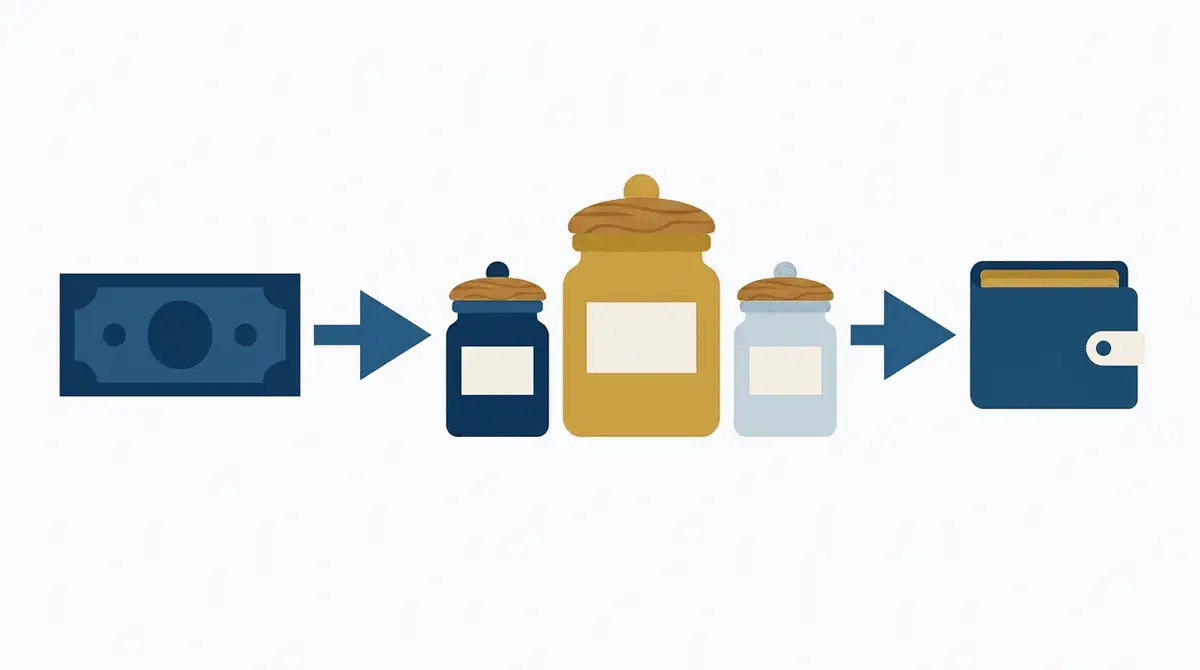
When you’re an employee, a fixed number lands in your account on payday. You know exactly what you have to work with, and everything else (taxes, social security) has already been taken out without you having to think about it. When you go freelance, that fixed number disappears. A client pays you 1,200 and, if you’re not careful, that 1,200 “feels like yours” the same day it lands in your account. It isn’t. Part of it has to go back out in taxes, another part covers business costs, and only what’s left after that is, genuinely, your salary.

freelancers freelancer salary taxes organization